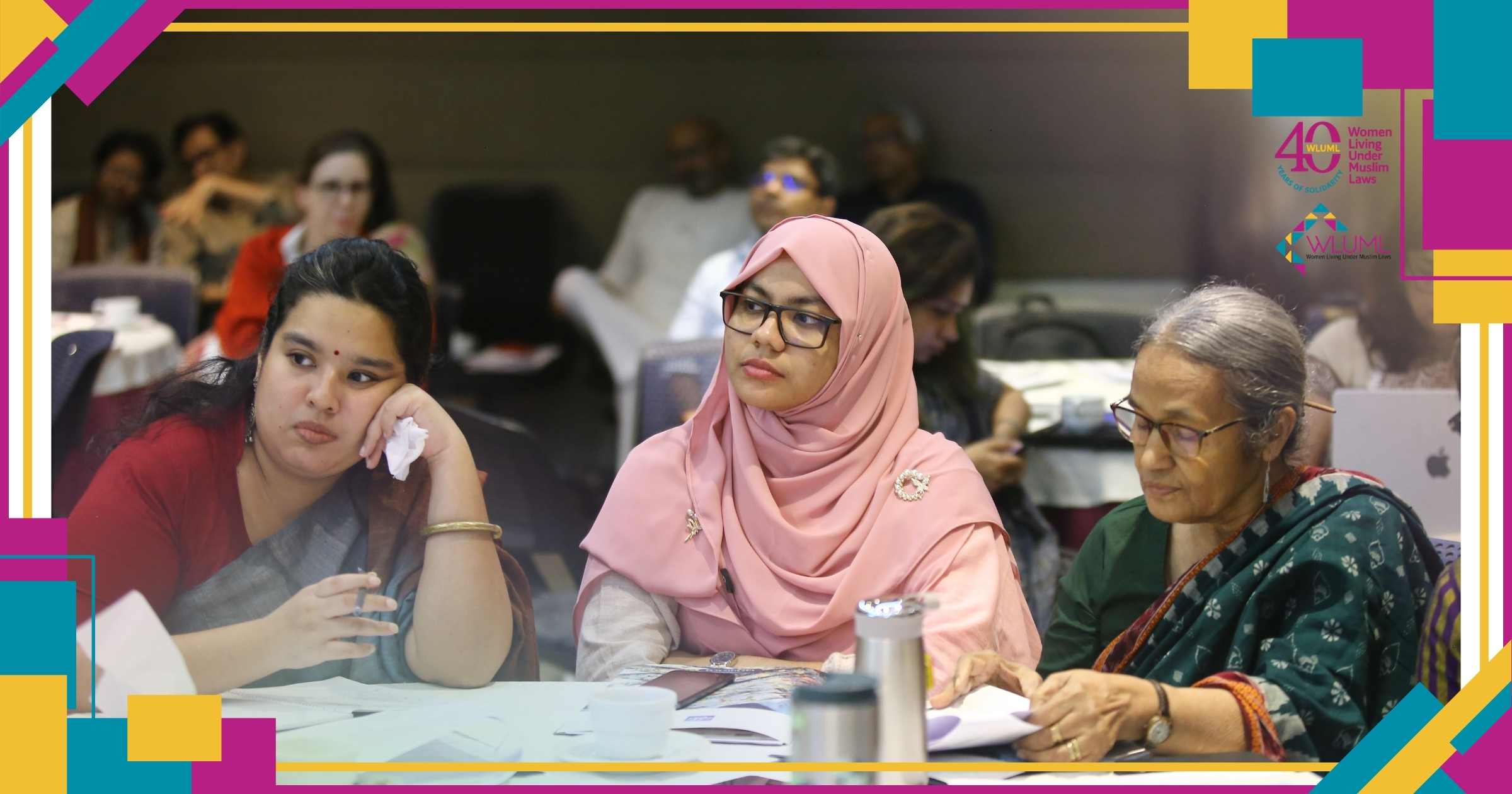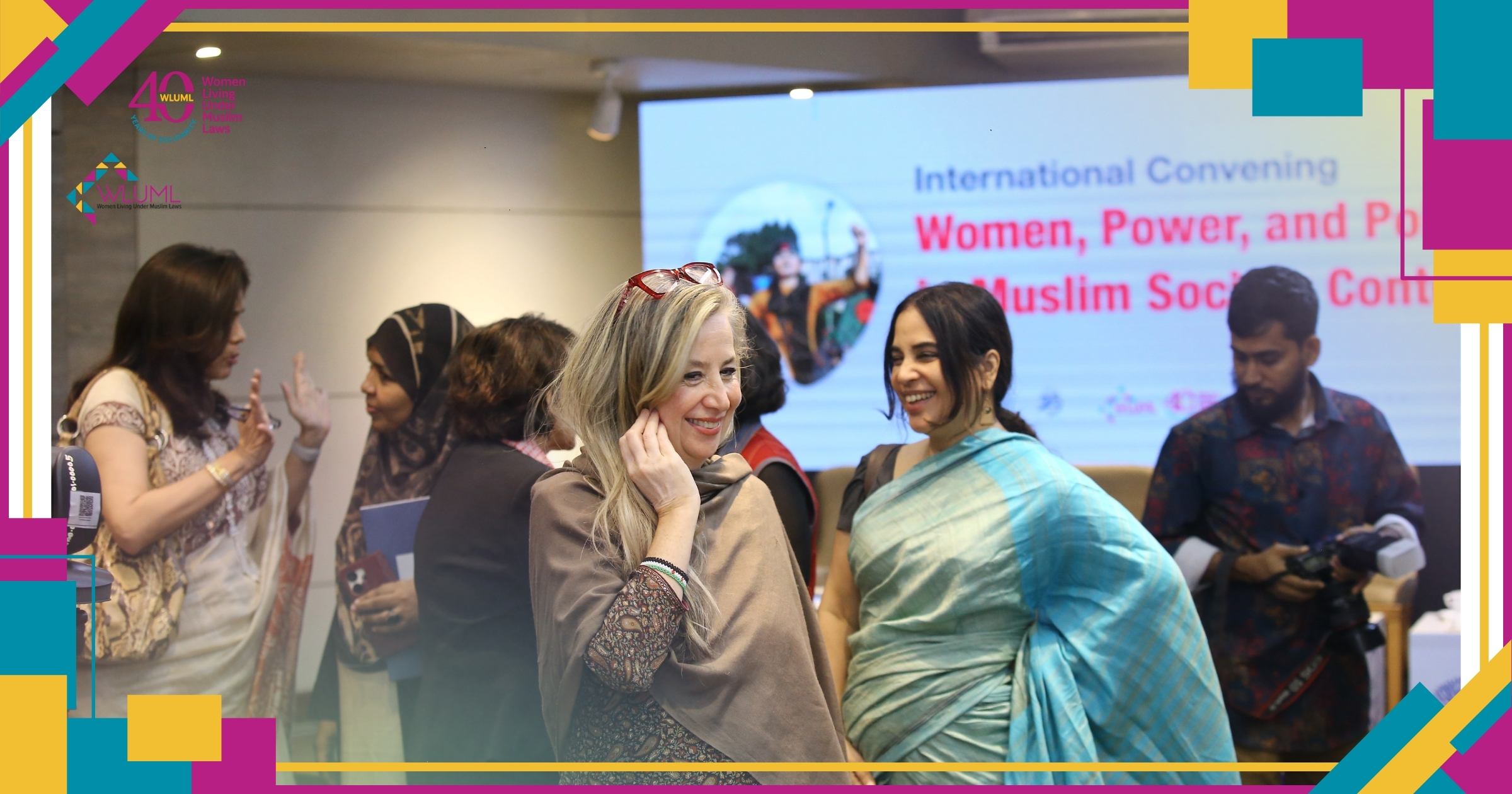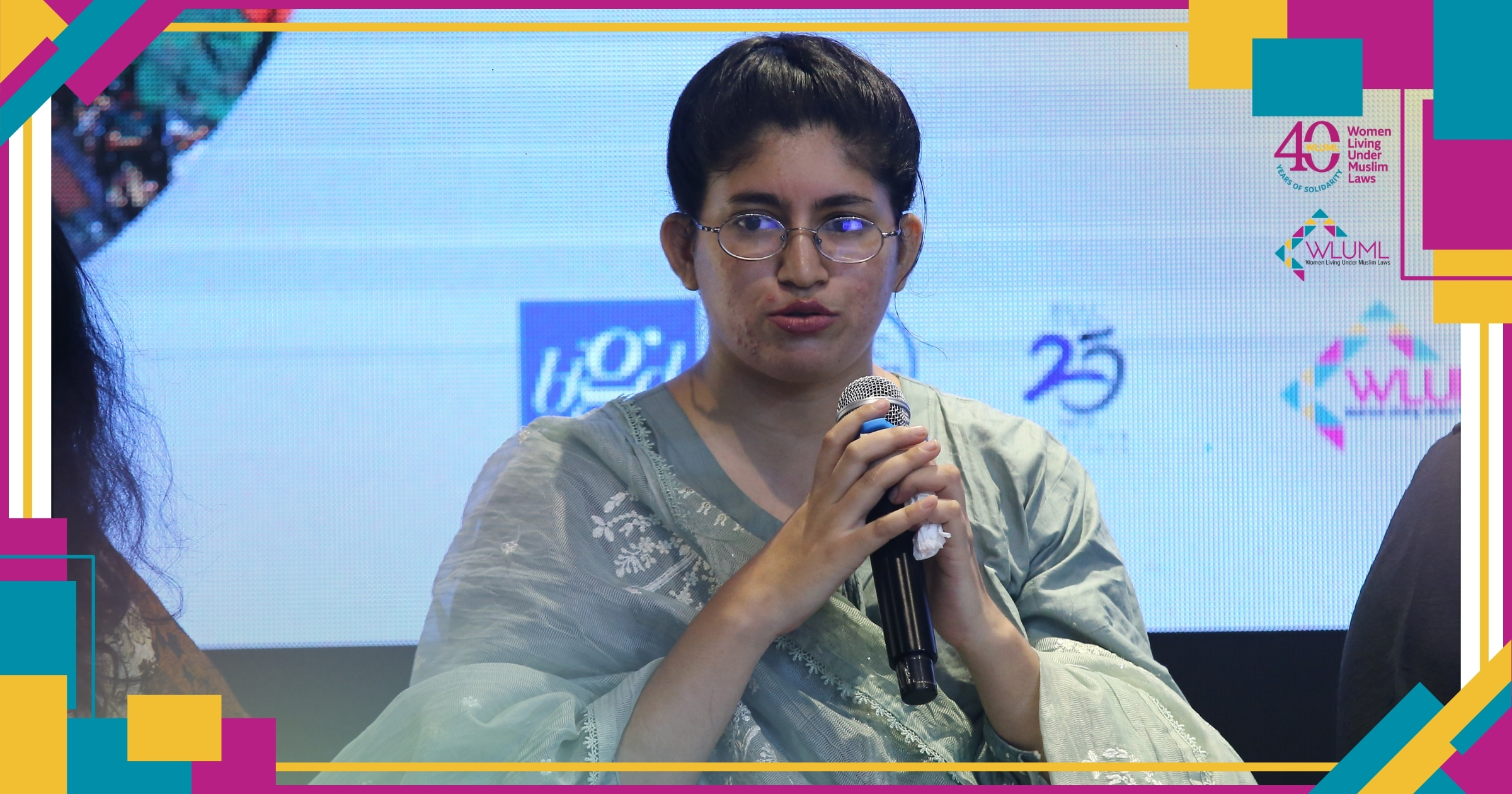

October 13, 2026 9:00 am – 6:30 pm | BRAC Centre
Conference Overview
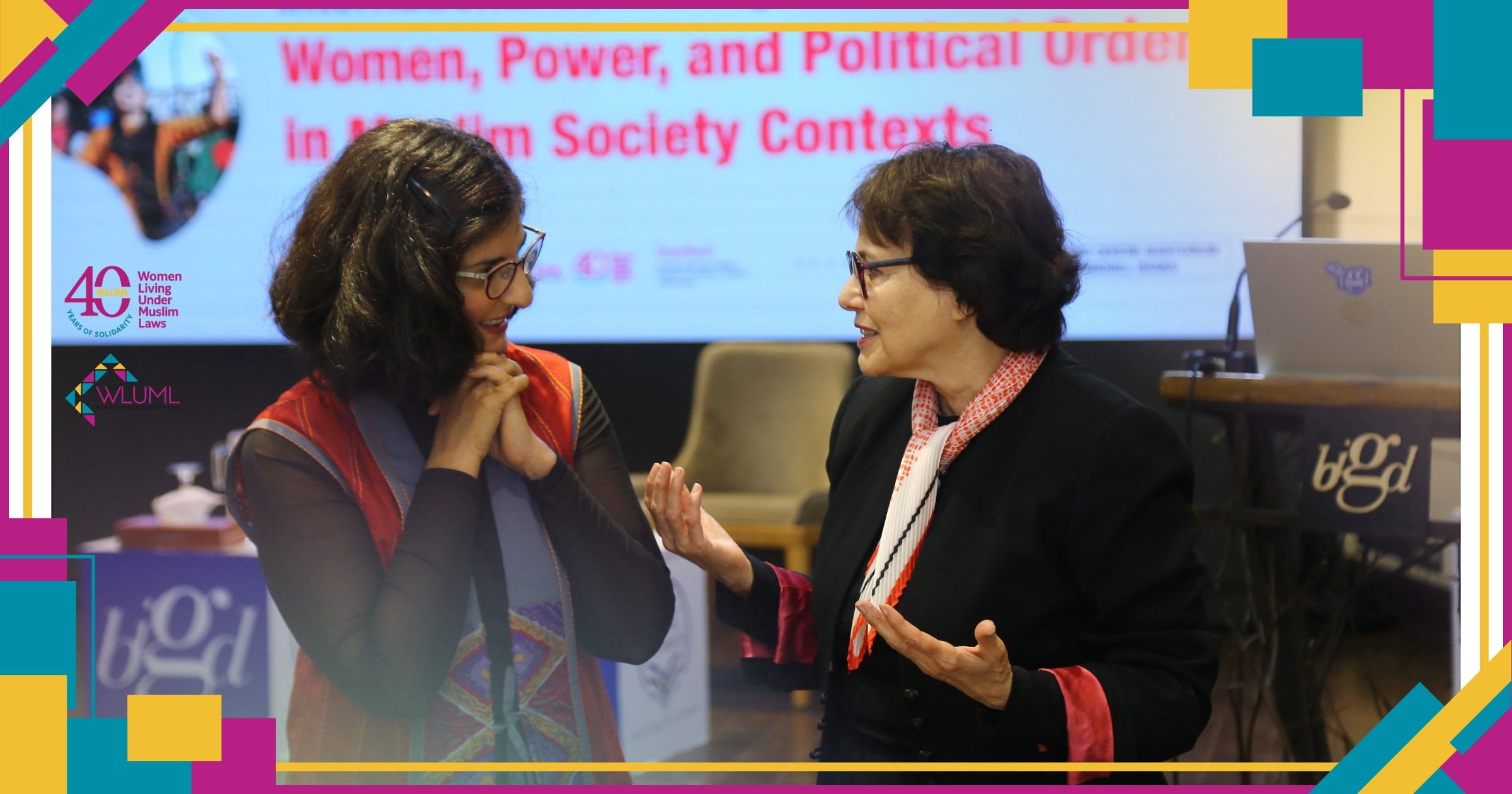
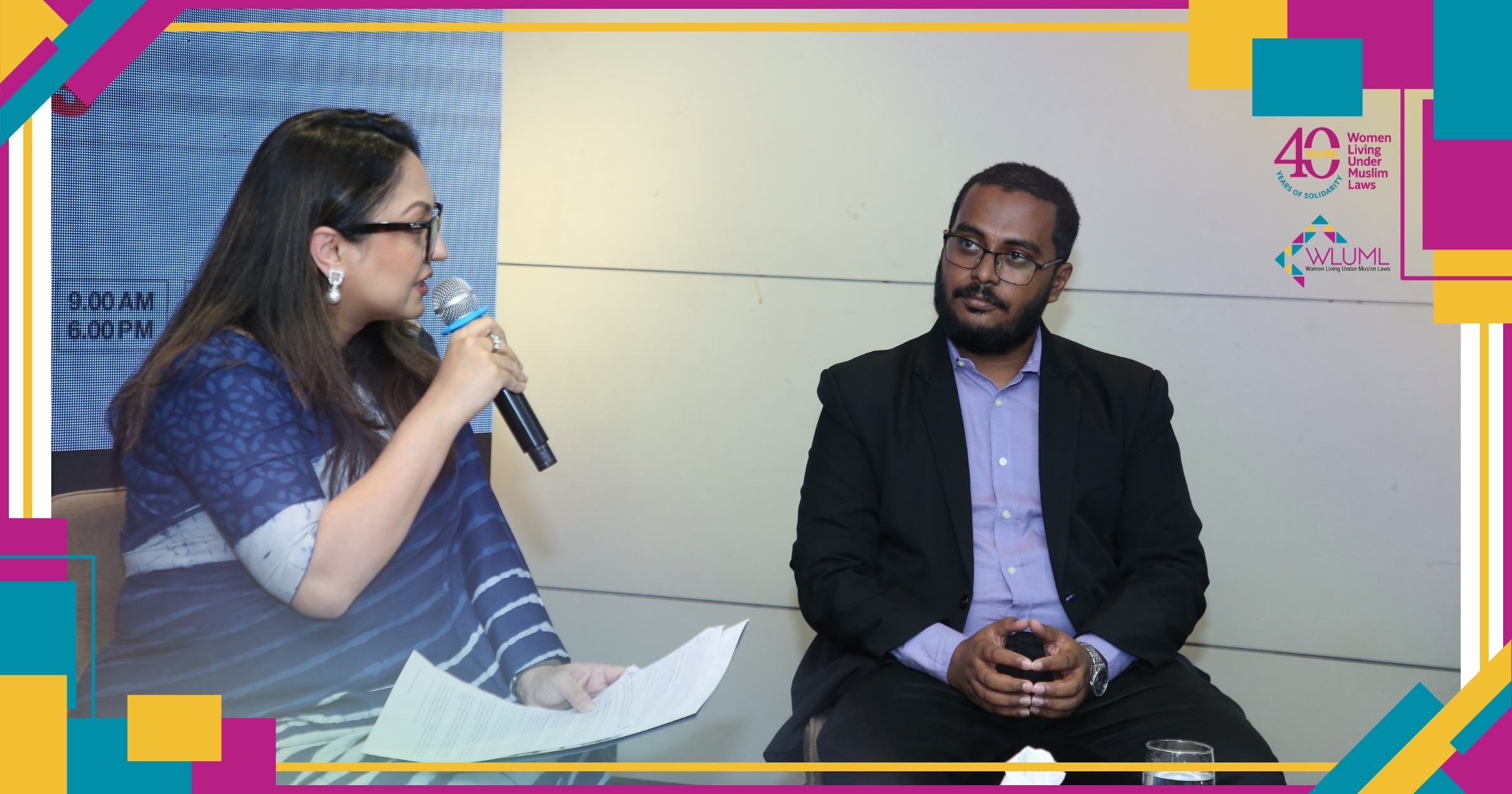
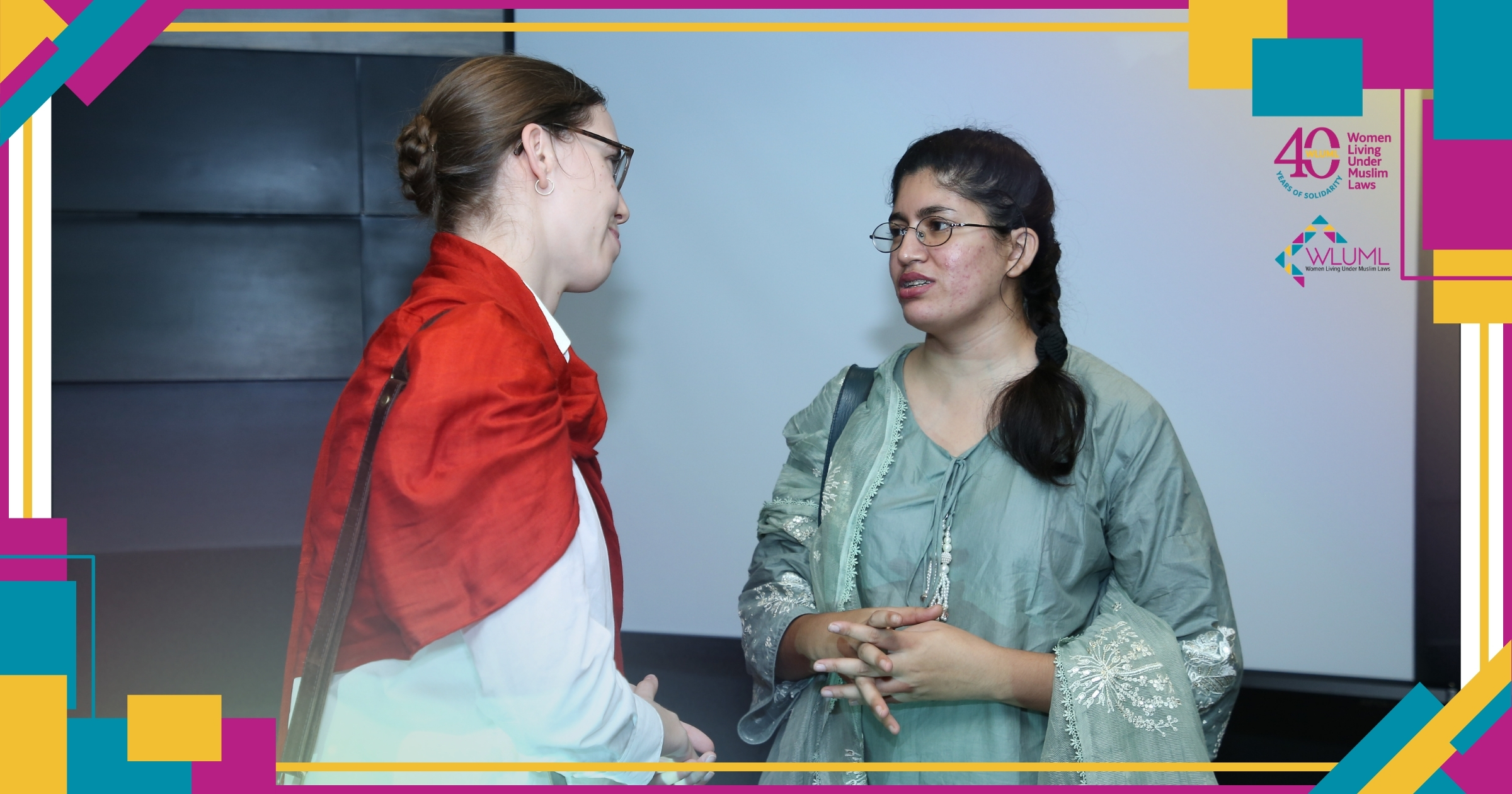
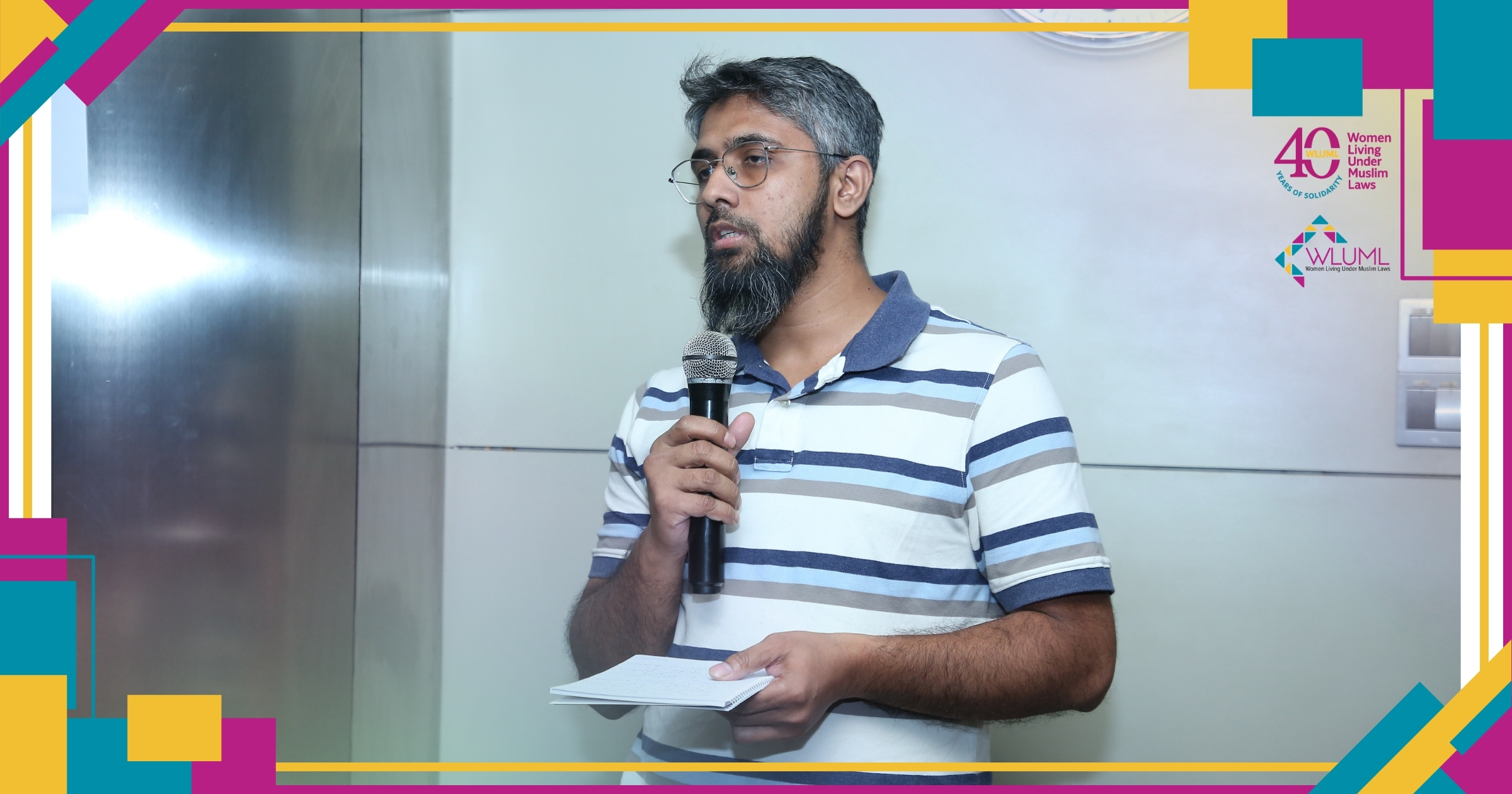
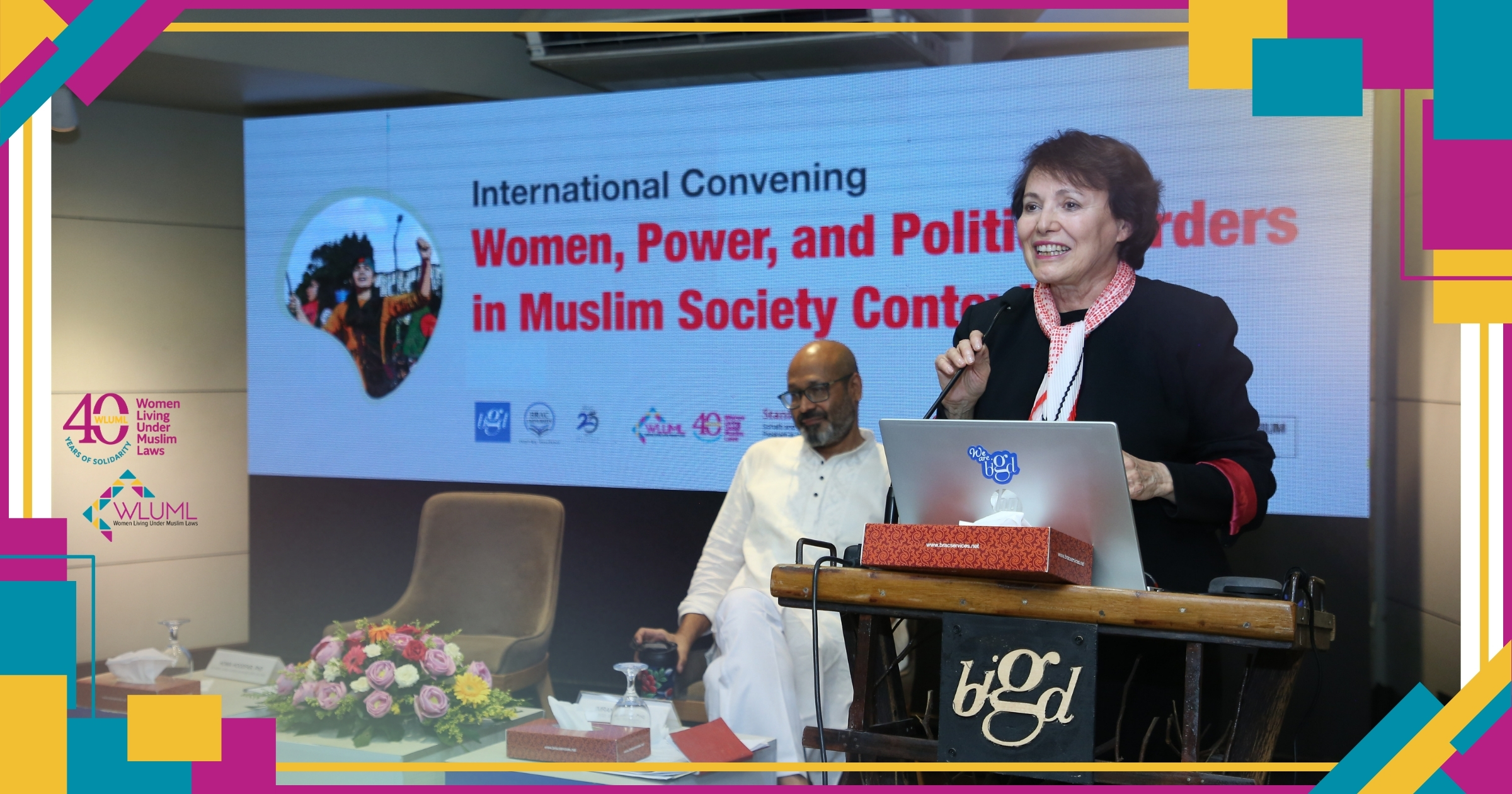
On 13-14 October, the BRAC Institute of Governance and Development (BIGD), the transnational solidarity network Women Living Under Muslim Laws (WLUML), and Stanford University’s Abbasi Program in Islamic Studies came together to host an international convening on Women, Power, and Evolving Political Orders in Muslim Society Contexts. Held at BIGD in Dhaka, Bangladesh, the gathering brought together practitioners, scholars, women’s rights advocates, and other key actors from countries undergoing political transitions, emerging from conflict, or experiencing significant shifts in their political and constitutional orders.
The convening sought to create a space where participants could exchange knowledge, experiences, resources, and strategies at the intersection of women, power, and political change. Beyond sharing experiences, the goal was to identify concrete opportunities for transnational feminist solidarity and collaboration. Through collective reflection, participants explored ways to counter violence and backlash against women’s rights and democratic ideals, strengthen women’s political leadership, and ensure that women are not merely affected by political change but are actively involved in shaping it.
At the heart of the convening was a shared commitment to centering women’s experiences and examining how political upheaval shapes their rights, roles, and opportunities to exercise power. Discussions explored the ways political and institutional structures, including the use of religion for political purposes, as well as constitutional arrangements and governance frameworks, can either open opportunities for women’s participation or reinforce their exclusion, particularly during periods of profound change.
The convening drew on experiences from seven Muslim-majority countries: Bangladesh, Afghanistan, Iran, Syria, Indonesia, Pakistan, and Palestine, each offering a distinct perspective on the challenges women face in navigating political change, as well as the strategies they have developed to defend their rights and claim a place in shaping their societies’ futures.
October 13, 2026
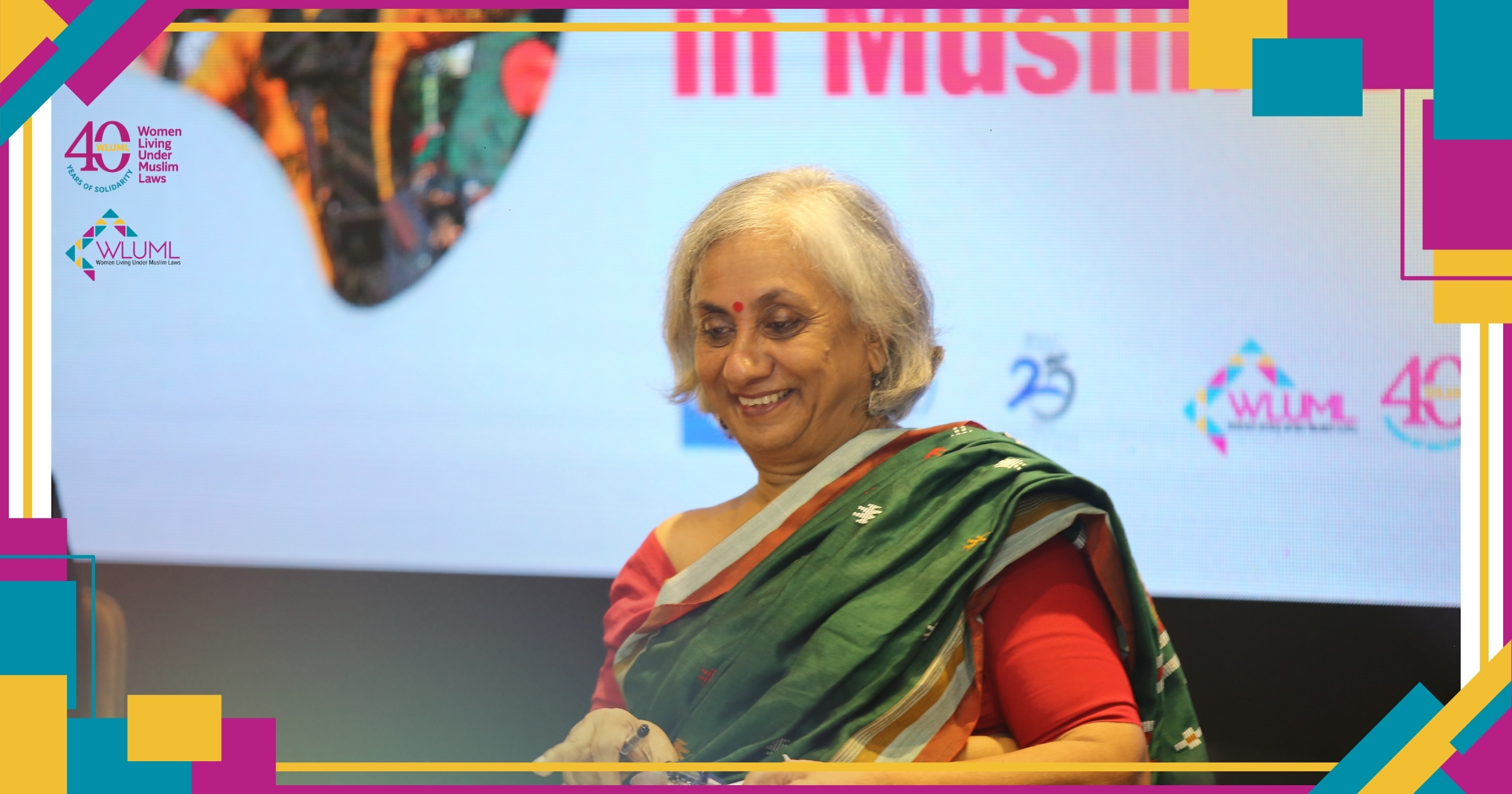
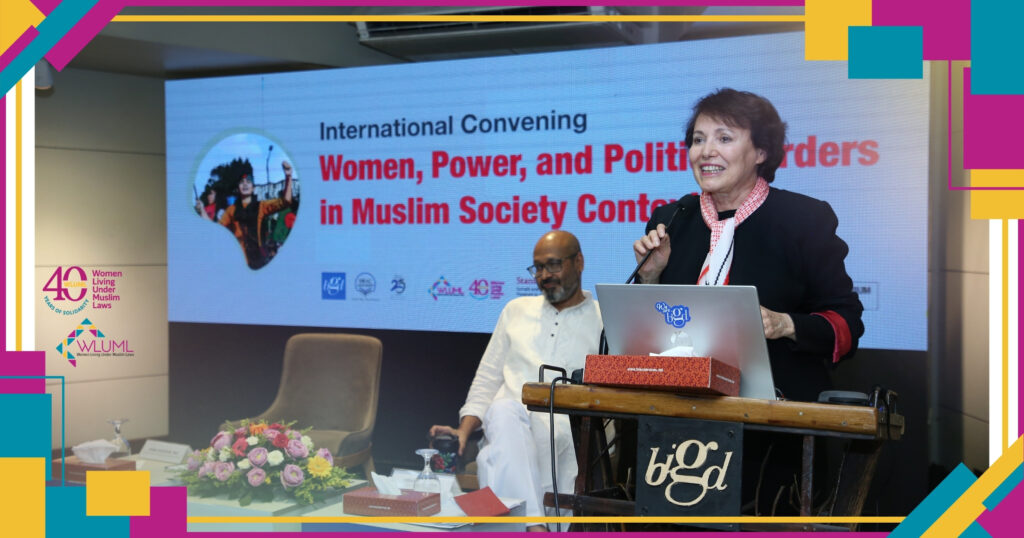
The opening, featuring welcome remarks by Dr. Imran Matin (Executive Director, BIGD, BRAC University) and Dr. Homa Hoodfar (Member, Executive Board, WLUML, and Professor of Anthropology, Emerita, Department of Sociology and Anthropology, Concordia University), underscored the importance of convening transnationally to examine the intersections of women, power, evolving political orders at a moment of profound political and social change across various Muslim-majority countries.
In his remarks, Dr. Matin set out the convening as a landmark moment for BIGD noting that governance and development research is inherently political and that during the long period of authoritarian rule, spaces for rigorous political debate and analysis were limited. He suggested that democratic transitions offer a chance to treat politics as a substantive research agenda, while emphasizing how field-based research and public engagement is essential to research.
Briefly introducing the transnational solidarity network Women Living Under Muslim Laws (WLUML), Dr. Hoodfar emphasized the importance of cross-border collective advocacy and the strategic use of language in building solidarity. She also stressed that while research and advocacy are valuable, they are insufficient on their own without broader, coordinated efforts toward collective action. Dr. Hoodfar highlighted WLUML’s work on Muslim family law reform, recalling how 25 women from different countries gathered in Dhaka in 1991 to develop comparative research on family planning, reproductive rights, and Muslim women’s diverse legal experiences. Challenging research that privileged men’s and community leaders’ perspectives, they sought to document women’s experiences across social classes and use the findings to inform advocacy.
Setting the Agenda
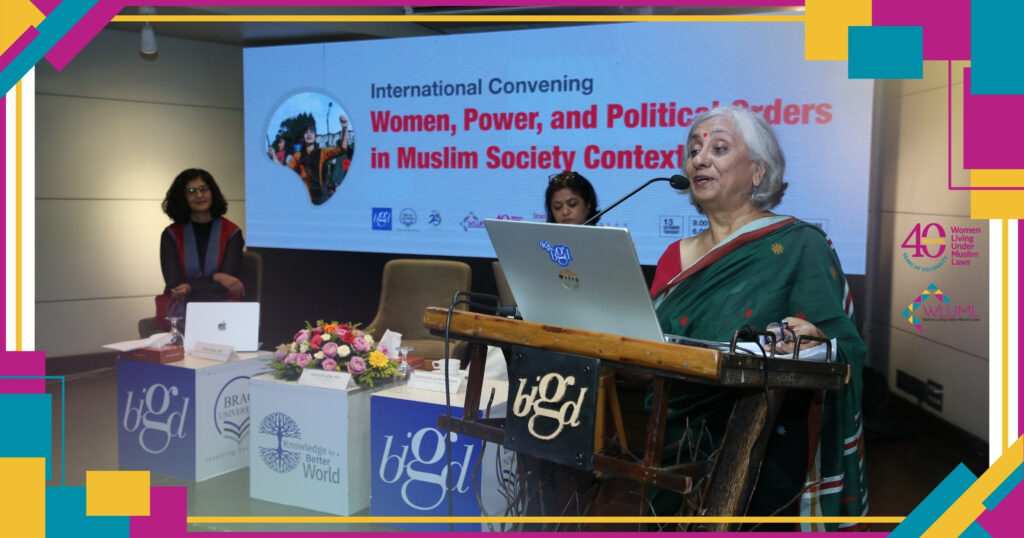
Dr. Firdous Azim (Professor and Chairperson, Department of English and Humanities, BRAC University; Executive member of Naripokkho) opened the session by approaching discussions with a deeper historical understanding of our movements and the countries in which they have developed. Dr. Mona Tajali (Executive Board Member of WLUML, and Lecturer in Feminist, Gender, and Sexuality Studies, Stanford University) stressed on how women are central to democratic movements yet are often excluded when power is distributed, and that democracy does not automatically produce gender equality. Drawing on experiences from various transitional or pending transitional contexts such as Bangladesh, Afghanistan, Palestine, Iran, and Indonesia, she argued that women’s gains are fragile and often face backlash, and called for shared early-warning indicators, honest reflections on failure, digital-security toolkits, and solidarity that respects diverse contexts rather than imposing a universal model.
Examining Bangladesh through a legal lens, Barrister Sara Hossain (Senior Advocate, Supreme Court of Bangladesh, and Honorary Executive Director, Bangladesh Legal Aid and Services Trust or BLAST), traced how litigation, including the High Court’s fatwa judgment, expanded women’s rights, and noted that the 2024 uprising saw women sidelined from reform debates, institutions, and teaching posts, with gendered violence largely ignored. She urged building alliances across disagreement, working with men, treating law as a shield rather than a sword, and defining a minimum standard of rights to defend.
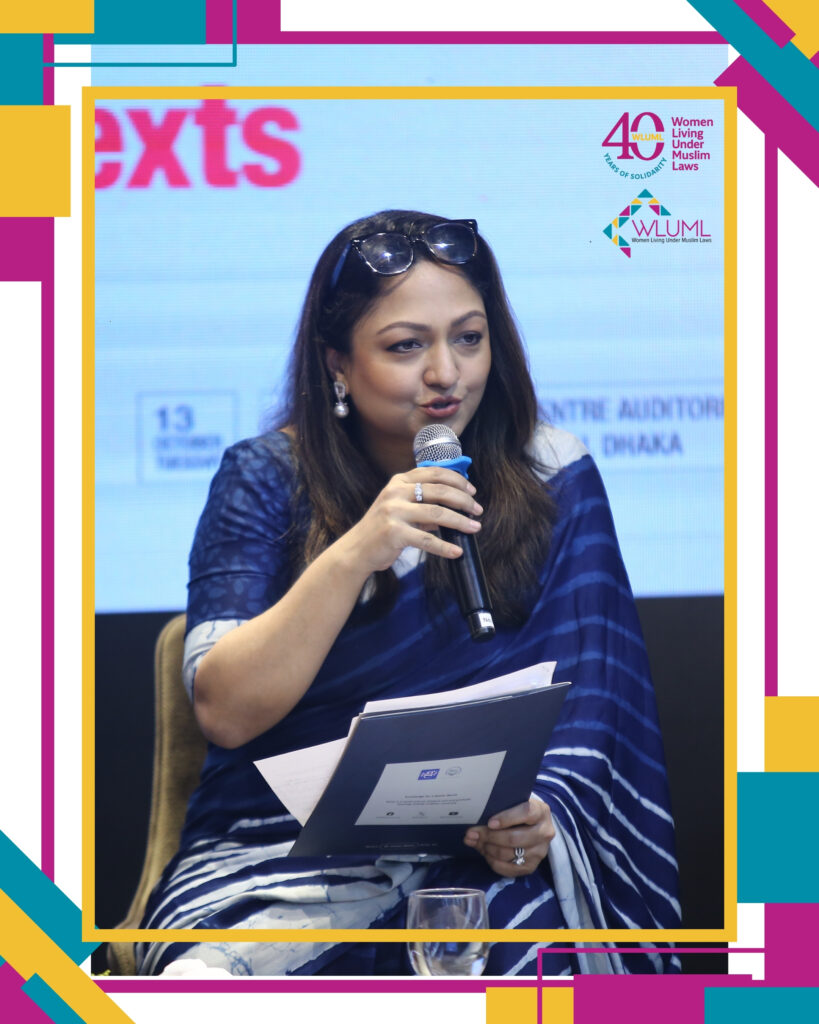
Session 1:
Women are often at the forefront of pro-democracy mobilizations and movements for justice, freedom, and social change. Yet women’s presence and leadership in moments of political upheaval do not necessarily translate into sustained influence over the political negotiations, institutions, and decisions that shape what follows. This panel examines how women can translate mobilizing power into political power during and after periods of political transition, conflict, or other forms of political upheaval, with a focus on the strategies that can help overcome them.
Tahrima Binte Tarique (Senior Research Associate, BIGD, BRAC University) and Zinat Khan Moddhoma (Program Assistant, BIGD, BRAC University), presented findings from BIGD’s research into women’s voting behavior, ideologies, and political participation. In 2026, national elections included 2,800 candidates participating, but only seven women were elected. Their research highlighted the key factors resulting in the gap between women’s participation in the protests and their eventual participation in decision-making, especially post- February 2026 elections.
Umama Fatema (Former Spokesperson, Students Against Discrimination) described how young women are discouraged from political leadership when they speak about women’s rights. She mentioned when it was the period of revolution, women organizations functioned really well in education and even in the workforce. However, during transitional periods, political parties often acted as gatekeepers to opportunities by creating an undetectable vacuum which inherently made women absent in political spaces.
Mardia Mumtaz (Member of Parliament, Bangladesh Jamaat-e-Islami) called for co-authorship of both genders in participation and representation in political institutions and any necessary reforms. Her vision of democratic participation in Islamic politics emphasized dignity, shared responsibility, education for political agency, inclusive participation, consultation, and equitable representation in decision-making.
Abantee Harun (Director, Centre for South Asian Studies, ULAB) observed patriarchy to be adaptive and not static. Drawing from Umama Fatema’s experience during the July movement, she added that patriarchal forces have the ability to evolve and retaliate. Given this adaptability, Ms. Harun called for a radical rethinking of politics, aligned with democratic and egalitarian demands of especially the grassroots forces.
Drawing on the Syrian experience, Dr. Afra Jalabi (Affiliate Assistant Professor, Department of Religions and Cultures, Concordia University) emphasized that Syria’s transition depends on grassroots, movement-led change shaped by women’s leadership and non-confrontational strategies, as illustrated by the stories of Omar Shadi and Abida Al-Muyam. She called for a shift from armed conflict and oppositional politics to strategic maneuvering, given the structural challenges facing women and societies in general in the Global South, a shift towards learning and knowledge-building (Iqra). Also, a shift to internal moral accountability over rights claims, engagement with rather than exclusion of opponents, and solidarity across religious and secular divides.
Rubiyanti Kholifah (Secretary General, Asian Muslim Action Network) discussed the Indonesian Congress of Women Ulama (KUPI), which adopts a broad understanding of ulama, bringing scholars, pesantren (Islamic boarding school) leaders, and activists into collective consultation. By distributing religious authority across a broad network rather than concentrating it in a single charismatic figure, this approach strengthens the legitimacy of its positions. KUPI’s fatwa methodology centers women’s lived experiences in religious interpretation and policymaking, grounding women’s authority in Islamic principles of equality and justice. Rather than relying on imported Western terminology, KUPI develops arguments from within the Islamic tradition, for example, by weighing classical perspectives on child marriage against evidence from scholars and practitioners documenting its harms.
Session 2
Transitional moments raise fundamental questions about whose rights are protected, whose experiences of violence and exclusion are recognized, and who gets to shape the political and institutional order that follows. Women are often central to movements for justice and accountability, yet their experiences and political claims can remain marginalized in formal processes of transitional justice, public recognition, and institutional design, such as national constitutions. This panel examined how women navigate and shape these processes across diverse contexts. Particular attention was given to how women navigate the intersection of religion, law, political life, and historical narratives, and what this means for advancing gender equality and transitional justice in different national contexts.
Barrister Shyikh Mahdi (Advocate, Supreme Court of Bangladesh, and Prosecutor, International Crimes Tribunal, Bangladesh) and Barrister Rashna Imam (Senior Advocate, Supreme Court of Bangladesh) weave the past and present historical narratives of women’s agency to discuss the limitations of constitutional reforms and its limitations for women’s justice. Rape was euphemized as a loss of izzat (honor or respect). The independence struggle was framed around the honor of “two lakh mothers and sisters,” a way of showing how much the nation cared. However, this framing diverted attention from the loss of honor in reality, meaning the actual violence these women endured. Safia Azim (Member, Naripokkho) spoke on Naripokkho’s long work with the Birangona. Naripokkho listened to women in their own words. It treats their experiences as part of the liberation war and produced three documentary films shown in communities and public spaces. She adds that true reparation is not just financial aid, rather recognizing their experiences as not merely stories but an integral part of history.
Speaking on constitution-making in Palestine, Dr. Sanaa Alsarghali (Member, Drafting Committee for the Interim Palestinian Constitution) mentioned women’s participation in political life, and especially in constitution-making, is crucial. But she separates three things that are often confused: participation, agency, and influence. In her view, most contexts are still at the first stage, and the aim is to ensure that participation exists wherever there is an official table. Women are already eager to take part. Responding to an earlier comment about the veil, she says “the veil that matters is not the one on the head but the one on the mind. It is about ideology, not dress.”
Ghizal Haress (Former Ombudsperson of Afghanistan), through pre-submitted remarks, and Shima Esmailian (Transitional Justice Expert, Iran) shared perspectives, representation and legality falls short in terms of real-life practice. Drawing from the experiences of Afghanistan Dr. Haress provided three important lessons. First, women’s participation must extend beyond representation. Women have clear demands, and thus must build strong alliances, and yield meaningful influence over constitutional negotiations. Second, equality must guide the entire constitutional framework, including the relationship between different provisions, positive state obligations, and institutions responsible for protecting rights. Third, advocacy must continue after constitutional adoption. Political priorities change, and rights require sustained protection. International solidarity is valuable, but it cannot replace women’s own political agency. Ultimately, we must reconsider how we measure success. The number of women participating in negotiations, reserved parliamentary seats, or institutions established in their name cannot alone demonstrate equality.
Esmailian, on the other hand, recalled her experiences in the case of Iran. Iran is not in full transition, but she argued it is moving in that direction, with strong demands for justice, much of it unofficial, and ongoing documentation and organizing. Doing this work in a pre-transitional phase allows women to shape the agenda before the moment of change. Today’s activists have learned from the revolution of 1979. Their demands are loud and explicit, and they insist that gender analysis shape documentation, participation, and any future transitional process. She hopes that women will not be left behind when transition comes.
Session 3
Moderated by Dr. Summer Forester (Associate Professor of Political Science and Program Director of Middle East Studies at Carleton College in Northfield, Minnesota), this session drew lessons from efforts to institutionalize women’s rights through National Women’s Machineries (NWMs), Gender Equality Machineries (GEMs), and reform commissions. Dr. Forester began her remarks by citing a UN Women research on such institutions for women’s rights documenting their global growth at least since the 1990s, alongside the recent backlash they have faced. She highlighted experiences in Muslim-majority contexts, where feminists are mobilizing for institutional reforms to advance gender equality and establish more responsive NWMs, even as these efforts encounter institutional barriers and coordinated opposition.
Khawar Mumtaz (Former Chairperson, National Commission on the Status of Women, Pakistan), I.G.A. Putri Astrid Kartika (Former Official, Ministry of Women’s Empowerment and Child Protection, Indonesia), and Maheen Sultan (Former Member, Women’s Affairs Reform Commission of Bangladesh, and Senior Fellow of Practice, BIGD, BRAC University) shared experiences from Pakistan, Indonesia, and Bangladesh, respectively.
Khawar Mumtaz said that Pakistan has a history of time-bound commissions, which strengthen the capacity to hold other institutions accountable, though some laws are often made but not implemented. If she were to establish a commission, she said, continuity would matter most, along with institutionalizing the process: a law first, then rules, which makes implementation easier. Pakistan’s commission had no institutional law and operated under rules that required approval, which took her five years of struggle. She described dealing with bureaucracy as a frequent challenge for someone from civil society, and said the commission was very under-resourced.
I.G.A. Putri Astrid Kartika turned to Indonesia. She traced the ministry’s changes to the end of the autocratic regime in 1998. Sexual violence during the riots led women’s organizations to demand state accountability. The ministry, which began in 1978, had held back on publicity under authoritarian rule, and during the transition its focus broadened from family-oriented programs to women’s empowerment and gender equality. Laws on domestic violence and trafficking followed, but the ministry lacked direct authority until a 2010 presidential decision expanded its role to services for women and children who experience crimes. A 2022 law came after what she called sixty years of struggle, and in 2024 the police began upgrading their women and children unit. Karthika said emergency responses during a transition must connect to long-term institutional planning, that implementation needs capacity and a clear mandate, and that women’s movements must stay active without losing their independence. She added that institutions must be protected against political change through legislation, gender-specific budgeting, professional capacity, and accountability.
Reflecting on Bangladesh’s post-2024 uprising transition, Maheen Sultan described initial hopes for structural reform and progress on gender equality. The women’s movement had called early for a permanent national women’s commission, but the interim government established other reform commissions first, with the Women’s Reform Commission coming later, an afterthought, in her view. Operating within a short timeframe, with ten members and virtually no budget, the commission faced unpaid ministry bills, legal challenges, media attacks, and threats. Although established by government order, it lacked the government’s full ownership, Sultan argued, leaving the women’s movement as its primary defender.
She further criticized a subsequent consensus commission for reducing women’s political participation to the sole relevant gender issue and adopting a particularly weak position on it. With political parties failing to advance gender reform, the transition also created space for anti-gender actors to emerge. Nevertheless, the constitutional process is now taking the Women’s Reform Commission’s report into account. Reflecting on these challenges, Sultan suggested that the commission had attempted too much within its limited mandate and resources, and that focusing on one or two key recommendations, particularly establishing a permanent national commission, might have yielded stronger results. She also noted that the experience revealed that some presumed allies were not reliable supporters. In her closing summary, Forester talked about moving from policy to implementation, the relationship between women’s movements and “machineries,” continued pressure, and recognizing allies.
Bringing the session to a reflective conclusion, Dr. Samia Huq (Dean, School of General Education, and Professor, Department of Economics and Social Sciences, BRAC University) focused on the need to make the public sphere deliberative and participatory, allowing all kinds of people to speak freely. She also raised questions about who acts as gatekeepers and how they shut down discussions. She suggested that religious women and women who do not practice could learn to hear each other beyond their roles as gatekeepers. She framed this partly as a question of ethics, noting that religion informs ethics and that ethics evolves, and said these questions run from primary to tertiary education. She also asked how solidarity can be built through women’s experiences and learning together.